Rehab Loans in Federal Way, WA
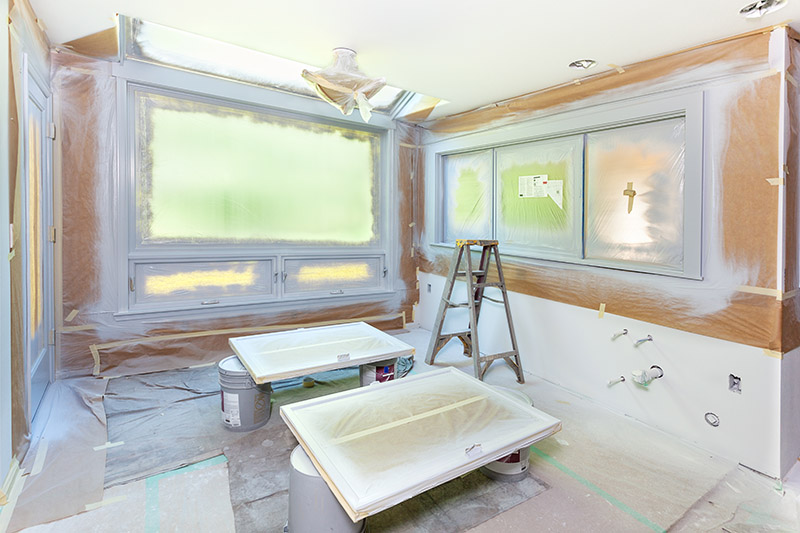
You may be able to purchase a home and roll the costs of the renovation into your loan.
Understanding Rehab Loans for Federal Way, WA Homes
A rehab loan in Federal Way, WA combines home financing and eligible renovation costs within one mortgage transaction. At CLC Mortgage, we help borrowers evaluate renovation financing for fixer-uppers, dated homes, and properties that require repairs before they can be comfortably occupied.
Because we were born and raised in the area, our team understands the local housing stock and the practical challenges that come with permits, contractor bids, appraisals, and renovation timelines. We are also a Korean-owned business and a member of the Federal Way Chamber of Commerce.
Key Takeaways
- Combined financing: A rehab mortgage can finance an eligible property and its approved improvements through one loan.
- Program choices: FHA 203(k), conventional renovation financing, and certain VA renovation programs serve different borrower and property needs.
- Future value matters: The appraisal may consider the home’s estimated value after the documented work is completed.
- Contractor documentation: Detailed bids, licensing information, insurance, permits, and a realistic construction schedule are commonly required.
- Funds are controlled: Renovation money is generally held in escrow and released through draws after work is verified.
- Extra time is normal: A rehab loan in Federal Way, WA often requires more preparation than financing a move-in-ready property.
Common Questions About Rehab Loans
Rehab loans address the financing challenge created when a property needs repairs but the buyer does not want to fund the entire project separately.
- What is a rehab mortgage? It is a purchase or refinance loan that includes funds for approved renovations. The lender evaluates your finances, the existing property, the planned work, and the projected completed value.
- Who may use a rehab program? W2 employees, eligible veterans, and self-employed borrowers may be considered, subject to income, credit, property, and program requirements. Self-employed applicants generally need complete documentation showing stable qualifying income.
- How are renovation funds paid? Funds are usually placed in a controlled escrow account rather than handed to you at closing. The lender or draw administrator releases money as documented work is completed and inspected.
- Can I complete the repairs myself? Owner-completed work is often restricted, and many programs require qualified contractors. Even when limited self-help work is permitted, the borrower may need to demonstrate experience, time, licensing, and adequate reserves.
- Do I need contractor bids before closing? Yes, final underwriting normally requires an itemized scope of work and accepted bids. Estimates should separate labor, materials, permits, and other project costs.
- Is a rehab loan available with FHA financing? The FHA 203(k) program can combine an eligible home purchase or refinance with approved rehabilitation costs. Borrowers can review our FHA home loan information for broader FHA requirements.
- How long does the process take? Timing varies, but rehab financing commonly takes longer than a standard mortgage because the project must be reviewed before closing. Appraisal revisions, incomplete bids, or contractor changes can extend the timeline.
- Are cosmetic updates allowed? Many programs permit eligible cosmetic improvements, but rules vary regarding luxury features, additions, structural work, and mixed-use properties. We review the proposed improvements before you rely on a particular program.
How Rehab Loans Work
A rehab loan moves through mortgage underwriting and renovation review at the same time. Coordination early in the process helps prevent the contractor, appraisal, and loan documents from describing different projects.
- Review your finances and goals: We discuss your income, assets, credit profile, intended occupancy, and renovation priorities. Veterans may compare a lender-available renovation option with a standard VA home loan, while other borrowers may evaluate FHA or conventional financing.
- Identify an eligible property: You select a home whose condition and planned improvements are acceptable under the program. The purchase agreement should provide enough time for contractor access, bid preparation, appraisal, and underwriting.
- Develop the scope of work: A qualified contractor prepares an itemized proposal covering labor, materials, permits, start dates, and completion expectations. In our experience, vague allowances such as “update kitchen” cause delays because the reviewer needs quantities, specifications, and costs.
- Order the renovation appraisal: The appraiser reviews the property and the approved plans to estimate an after-improved value. The loan amount is not based simply on the cost of your wish list; program calculations, current limits, and the appraised value still apply.
- Complete underwriting: The lender reviews your financial documentation alongside the property report, contractor credentials, project budget, title work, and insurance. Any requested corrections must be completed before final loan clearance can be considered.
- Close and begin construction: Purchase funds are disbursed according to the closing documents, while renovation funds generally remain in escrow. Work begins after the program permits it, not before closing unless the lender has provided written authorization.
- Request draws and final inspection: The contractor submits draw requests as milestones are reached, and inspections confirm progress before funds are released. Final documentation may include lien waivers, permits, invoices, and confirmation that the project is complete.
Is a Rehab Mortgage a Good Fit?
Renovation financing may be appropriate when the property’s condition and your improvement plan are compatible with a structured, lender-supervised project. It often works well for patient owner-occupants who can make decisions before closing and communicate consistently with contractors. W2 borrowers may appreciate combining costs, veterans may explore VA-related choices where available, and self-employed borrowers may be considered when their documented income supports the loan.
Other financing may be worth considering when speed, flexibility, or investor use is more important than long-term owner-occupied financing. A move-in-ready home with standard financing may involve fewer inspections and documents. Investors planning a short resale timeline can review a fix and flip home loan, while extensive ground-up work may call for a construction home loan.
Rehab Loan Costs, Fees, and Expectations
Rehab financing generally includes ordinary mortgage expenses plus costs connected to reviewing and administering the renovation. Depending on the program, expenses may include an appraisal, inspections, title and escrow charges, contractor review, draw administration, permits, contingency reserves, and required mortgage insurance or program fees.
Down payment requirements vary by loan type, occupancy, credit profile, and property. FHA 203(k) financing may allow a 3.5% minimum down payment for eligible borrowers, while conventional renovation programs can require a different contribution; eligible VA borrowers may have a zero-down option when both the program and lender support the project.
For example, suppose a home costs $475,000 and the approved renovation budget is $75,000. A 10% project contingency would add $7,500 to the renovation calculation, although the final loan amount and cash requirement would still depend on the appraisal, program rules, and allowable costs.
Rates and closing timelines can differ from standard mortgages because renovation loans require additional oversight. What we typically see is that a complete contractor package saves more time than trying to accelerate underwriting with missing specifications.
| Feature | Rehab Mortgage | Standard Mortgage |
|---|---|---|
| Financed improvements | Eligible work may be included in the loan | Repairs are generally funded separately |
| Property valuation | May use an after-improved value | Usually based on current condition |
| Down payment | Varies by FHA, VA, or conventional program | Varies by the selected loan program |
| Additional costs | May include draw, inspection, and project-review fees | Usually no renovation administration fees |
| Closing timeline | Often longer due to bids and project review | Generally more straightforward |
| Funds after closing | Released through supervised draws | No renovation escrow is typically included |
Common Mistakes With Rehab Loans
The most preventable rehab loan problems begin with an incomplete plan, unrealistic budget, or contractor misunderstanding.
- Submitting a lump-sum bid: A one-page estimate without labor, material, permit, and specification details may not satisfy the lender or appraiser. Ask whether the bid format is acceptable before paying for reports or locking in a schedule.
- Changing the project after appraisal: Replacing a planned $20,000 roof with a kitchen upgrade is not a simple budget swap. The roof may have been required for property eligibility, and a material change can trigger renewed review or another appraisal update.
- Ignoring contingency funds: Opening walls can reveal moisture, outdated wiring, or damaged framing. A contingency reserve provides a controlled source for eligible surprises, but it does not remove the need for careful inspections.
- Starting work too early: Demolition before closing can change the property’s condition and invalidate portions of the appraisal or insurance review. Wait for written confirmation explaining when construction may begin.
- Hiring based only on price: The lowest bid may omit permits, disposal, sales tax, or required draw paperwork. In our experience, a contractor familiar with lender inspections is often easier to coordinate throughout the project.
- Over-improving the property: High-cost finishes do not automatically produce equal appraised value. Compare the renovation plan with nearby homes before committing to features the local market may not support.
Local Considerations for Federal Way, WA
Local property design, permitting, and resale comparisons can materially affect a renovation plan. Twin Lakes includes established homes where roofs, siding, windows, and interior systems may need coordinated updates, while Marine Hills has sloped lots that can make drainage, retaining-wall, or foundation work more complex. Around Steel Lake, buyers may also encounter older ramblers and split-level homes where electrical panels, plumbing, or past additions deserve close review.
Federal Way’s workforce includes healthcare employees associated with St. Francis Hospital, service-sector workers, and commuters connected to Sea-Tac Airport and South King County logistics. City permits, contractor availability, condominium HOA restrictions, and wet-season exterior work can all influence project sequencing, so those details should be addressed before the loan and renovation schedule are finalized.
Let’s Talk About Your Rehab Financing
We can help you compare renovation programs, understand the paperwork, and decide whether a rehab mortgage supports your property and budget. Get started with CLC Mortgage (NMLS #181106) today by using our Get Started page, and we will discuss your goals without assuming that one program is appropriate for every borrower.
This is educational content and not financial advice. Loan programs and guidelines can change. Talk with a licensed mortgage professional about your specific scenario.
Surf our website to learn about our company, see our loan programs, and request a free consultation.
Get started today!
Fill out the questionnaire on this page to start a discussion about your mortgage needs today!