Mortgage Refinance in Federal Way, WA
A mortgage refinance is the replacement of an existing mortgage with another mortgage under different terms.
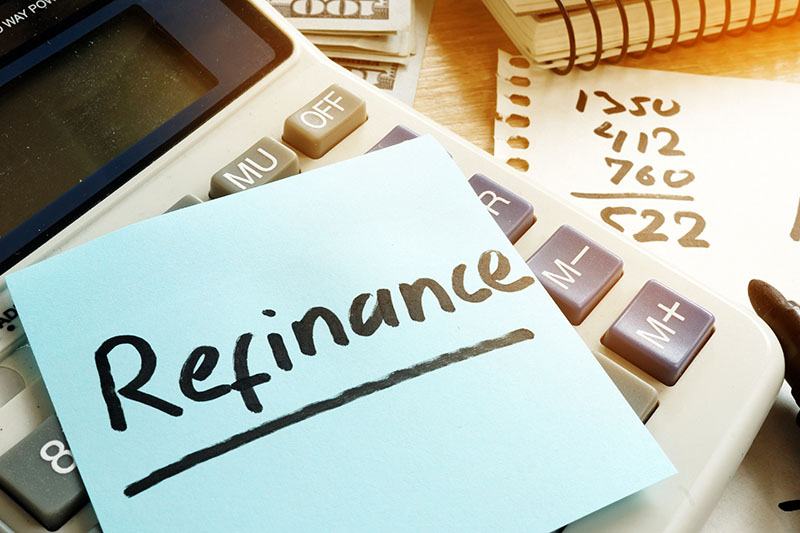
A refinance in Federal Way, WA replaces your current mortgage with a new loan structured around your present financial goals, equity, and qualifications. At CLC Mortgage, we help homeowners evaluate refinance loans for reducing a payment, changing a loan term, moving to a different mortgage type, or accessing equity. We explain the numbers clearly so veterans, W2 employees, and self-employed borrowers can decide whether refinancing makes financial sense.
Key Takeaways
- Purpose: A refinance mortgage can change your rate, payment, term, loan program, or available home equity.
- Qualification: Credit, verified income, debts, equity, occupancy, property condition, and current 2026 program guidelines affect eligibility.
- Costs: Refinancing normally involves lender, appraisal, title, recording, escrow, and prepaid expenses that should be weighed against the expected benefit.
- Veteran Programs: Eligible military borrowers may have VA streamline or cash-out refinancing choices with distinct requirements.
- Income Documentation: W2 borrowers commonly document wages, while business owners may need tax returns, profit-and-loss statements, or alternative documentation.
- Local Perspective: As a Federal Way Chamber of Commerce member, Korean-owned business, and team born and raised in the area, we understand the community behind the transaction.
- No Automatic Savings: A lower payment does not always mean lower total interest, especially if the new mortgage restarts a longer repayment period.
Common Questions About Refinance Loans
Refinancing is most useful when the new mortgage produces a measurable benefit that supports your plans for the property.
- What is a mortgage refinance? It pays off an existing home loan with a new mortgage. The new loan can have a different interest rate, repayment term, balance, or program.
- Who may qualify for a refinance? Homeowners who meet the applicable credit, income, debt-to-income, equity, occupancy, and property standards may qualify. Requirements vary among conventional, FHA, VA, and nontraditional programs.
- How long does refinancing take? Many files close in roughly 30 to 45 days, but appraisal availability, title issues, condominium reviews, income complexity, and document response times can extend the process.
- Can I take cash out of my home? You may be able to convert part of your equity into loan proceeds, subject to program limits and underwriting. Our cash-out refinance guide explains how this differs from a rate-and-term transaction.
- Do I need an appraisal? An appraisal is common, although certain eligible streamline transactions or automated underwriting findings may permit an appraisal waiver. A waiver is never assumed at the beginning of an application.
- Is refinancing free if costs are rolled into the loan? No. Financing costs or accepting lender credits can reduce cash due at closing, but the expense may appear through a higher balance, different rate, or both.
- Are there refinance programs for veterans? Eligible borrowers can review VA Interest Rate Reduction Refinance Loans and VA cash-out transactions. See our VA loan refinance options for an overview.
- Can a self-employed homeowner refinance? Yes, provided income can be documented under the selected program. When tax returns do not reflect current cash flow clearly, a bank statement program may be worth exploring.
How Refinance Loans Work
A refinance follows a structured review of your goals, finances, property, and proposed loan benefit.
- Define the objective: We first identify what you want to accomplish, such as changing the payment, shortening the term, replacing an adjustable rate, removing eligible mortgage insurance, or accessing equity. A clear objective prevents a lower payment from being mistaken for an automatically stronger financial outcome.
- Review the current mortgage: We examine your balance, rate, remaining term, mortgage insurance, prepayment terms, and estimated payoff. We also discuss how long you expect to own the home because that affects whether you may recover the new closing costs.
- Compare refinance programs: We evaluate conventional, FHA, VA, and applicable alternative-documentation choices using current 2026 guidelines. In our experience, comparing both monthly payment and total interest is particularly important when a homeowner is several years into a 30-year mortgage.
- Apply and document finances: You submit an application and supporting records, which may include pay stubs, W2s, tax returns, asset statements, insurance information, and mortgage statements. Self-employed applicants may also provide business returns, a year-to-date profit-and-loss statement, or bank statements.
- Confirm value and title: The lender orders title work and, when required, an appraisal to assess the property’s current market value and condition. Existing liens, solar financing, home equity accounts, or ownership changes must be identified before closing.
- Complete underwriting: An underwriter verifies that the borrower, property, and loan meet program rules. Requests for updated statements or explanations are normal, and responding with complete documents generally helps keep the review moving.
- Review and close: Before signing, you receive disclosures showing the rate, annual percentage rate, payment, cash needed, and closing costs. After signing and any applicable rescission period, the old mortgage is paid off and cash-out proceeds, if any, are disbursed.
When a Refinance Mortgage May Make Sense
Refinancing may be appropriate when its expected financial or practical benefit exceeds its cost. It is commonly considered by homeowners with improved credit, sufficient equity, stable income, or a need to change from an adjustable-rate mortgage to a fixed-rate structure. Veterans may benefit from comparing eligible VA choices, while W2 borrowers often have straightforward income documentation and business owners may have additional documentation paths.
Alternatives deserve consideration when you expect to sell soon, have limited equity, recently changed employment, or already hold a rate that is difficult to improve after costs. If you only need a smaller amount for renovations or another defined expense, a HELOC home loan may preserve the existing first mortgage, although its rate may be variable. What we typically see is that borrowers benefit from comparing the break-even period, total interest, and future flexibility rather than focusing only on the proposed monthly payment.
Refinance Costs, Fees, and Expectations
A refinance usually requires closing costs, but it generally does not require a purchase-style down payment. Common charges include lender fees, credit reporting, appraisal, title insurance, settlement, recording, and prepaid interest or escrow deposits. You might bring no additional equity, contribute cash to reduce the balance, finance eligible costs, or use a lender credit in exchange for different pricing.
For a specific example, suppose a new $400,000 mortgage carries $8,000 in closing costs and reduces principal-and-interest payments by $250 per month. The simple break-even period would be approximately 32 months: $8,000 divided by $250. This calculation is useful but incomplete because taxes, insurance, mortgage insurance, the repayment term, and total interest also matter.
Rates should be compared on the same day using equivalent loan terms, points, lock periods, and documentation assumptions. A refinance often takes about 30 to 45 days, although complex income, appraisal concerns, subordinated liens, or condominium documentation can add time.
| Feature | Refinance Mortgage | Possible Alternative |
|---|---|---|
| Upfront equity contribution | Often $0; cash-in is optional or may be needed to meet program requirements | A HELOC may have different draw and equity rules |
| Closing costs | May be paid in cash, financed when permitted, or offset through lender credits | Keeping the current mortgage avoids refinancing it, but separate financing has its own costs |
| Interest structure | Fixed or adjustable choices may be available | Home equity lines commonly have variable rates |
| Typical timing | Often about 30–45 days | Varies by product, documentation, and property |
| Equity access | Cash-out may replace the entire first mortgage | A second lien may preserve the existing first mortgage |
| Key comparison | Break-even point, total interest, term, and payment | Combined payments, variable-rate exposure, and fees |
Common Refinance Mistakes to Avoid
The most expensive refinance mistakes often come from evaluating one attractive number without examining the full transaction.
- Looking only at the new payment: Restarting a 30-year term can lower the required payment while increasing the number of years you pay interest. Compare the amortization schedule and total projected cost.
- Skipping the break-even calculation: Divide your true closing costs by realistic monthly savings, then compare the result with how long you expect to retain the loan. Include points and lender-credit trade-offs rather than relying on a headline rate.
- Opening new debt before closing: Financing a vehicle or carrying a large new credit-card balance can change your debt-to-income ratio and credit profile. Credit and employment may be reverified before funding.
- Moving money without a paper trail: For example, transferring $40,000 from a business account into a personal account shortly before closing may trigger questions about ownership, business liquidity, and the source of funds. Keep statements and consult us before making unusual transfers.
- Forgetting about subordinate liens: A HELOC, down payment assistance lien, solar obligation, or recorded judgment may need to be paid off or subordinated. Even a HELOC with a zero balance can require lender authorization and extra processing time.
- Assuming every refinance requires the same documents: FHA, conventional, VA, and alternative-documentation loans apply different rules. An FHA home loan refinance may also retain mortgage insurance considerations that should be compared with other available programs.
Local Refinance Factors in Federal Way, WA
Local property characteristics can influence valuation, title review, and the practical refinance timeline. Homes near Twin Lakes and Marine Hills may differ substantially in lot size, age, renovation level, and Puget Sound views, so appraisers need genuinely comparable nearby sales rather than citywide averages. Condominiums around the City Center can require project-level insurance and association documentation, while properties closer to Redondo may involve slope, drainage, or shoreline-related considerations.
Local borrowers also include healthcare employees, Port of Tacoma workers, logistics staff along the I-5 and Pacific Highway corridors, and military families connected to Joint Base Lewis-McChord. Because we were born and raised in the area, we understand why commute patterns, school boundaries, accessory dwelling units, and permitted versus unpermitted improvements can affect both marketability and appraisal analysis.
Ready to Explore Your Refinance?
We can help you compare the proposed loan with your current mortgage in plain, practical terms. We will review your objective, estimated costs, payment, term, equity, and likely break-even period without assuming that refinancing is automatically the right move. Get started with CLC Mortgage (NMLS #181106) today by using our secure Get Started page.
This is educational content and not financial advice. Loan programs and guidelines can change. Talk with a licensed mortgage professional about your specific scenario.
Surf our website to learn about our company, see our loan programs, and request a free consultation.
Get started today!
Fill out the questionnaire on this page to start a discussion about your mortgage needs today!