Construction Home Loans in Federal Way, WA
Building a home is a big step. Our construction home loans are designed to support you at every stage of this exciting journey.
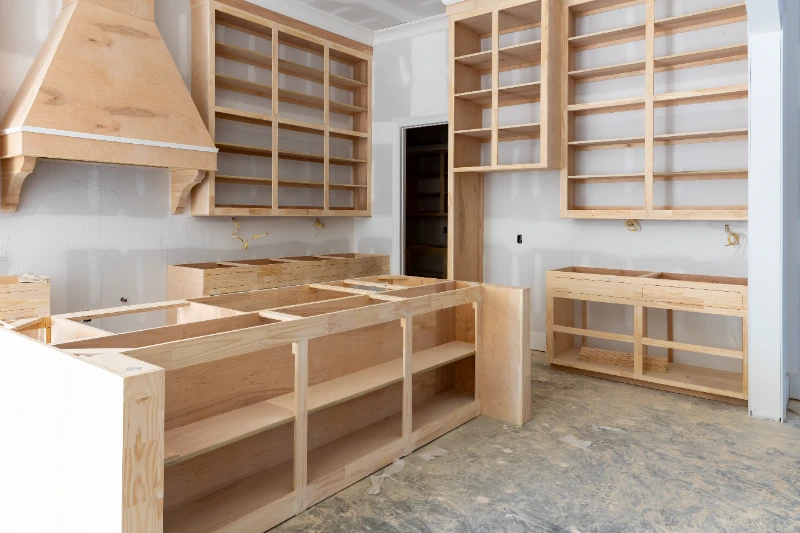
A construction home loan in Federal Way, WA finances the land, labor, materials, and other eligible costs involved in building a home, with funds released in stages as work is completed. At CLC Mortgage, we help borrowers understand construction financing, compare permanent mortgage choices, and prepare the detailed documentation these loans require. As a Korean-owned business with deep local roots, we offer guidance grounded in firsthand knowledge of the area.
Key Takeaways
- Purpose: Construction financing can cover an eligible lot purchase, building costs, and the permanent mortgage, depending on the program.
- Draw process: Loan funds are generally released after inspections verify that specific construction milestones have been completed.
- Loan structures: A one-time close combines construction and permanent financing, while a two-time close uses separate transactions.
- Builder review: The lender typically evaluates the builder’s license, insurance, experience, financial standing, and project history.
- Borrower documentation: W2 employees, veterans, and self-employed borrowers must document income, assets, credit, and project-related funds.
- Project preparation: Detailed plans, realistic cost estimates, permits, specifications, and a construction timeline are essential to underwriting.
Common Questions About Construction Home Loans
Construction home loans use a controlled funding process because the lender is financing a property that is not yet complete.
- What is a construction home mortgage? It is financing designed for a new build or, under certain programs, a major renovation. Unlike a standard purchase mortgage, the lender releases money through scheduled draws.
- Who may be eligible for construction financing? Eligibility depends on credit, documented income, available assets, debt obligations, builder approval, and the project’s appraised value. Veterans may also explore eligible VA home loan programs.
- How long does the process take? Loan preparation and underwriting often take longer than a standard purchase because the plans, budget, builder, title, and appraisal must be reviewed. The construction period commonly lasts several months or longer, depending on permits, weather, materials, and project scope.
- Can I include the land purchase? Some construction home programs can finance both an eligible lot and the build. If you already own the land, its documented equity may count toward your required contribution, subject to appraisal and program rules.
- Do I need a licensed general contractor? Most programs require an experienced, properly licensed, and insured builder. Owner-builder arrangements are uncommon and usually face substantially tighter requirements.
- Is the interest rate the same as a regular mortgage? Not necessarily. Construction-phase pricing may be higher because the lender assumes completion risk, and a two-time close can expose you to future market pricing when permanent financing is arranged.
- How are payments calculated during construction? Borrowers often pay interest only on funds already disbursed, rather than on the entire commitment. Exact payment rules vary by construction home lender and loan structure.
- Can major remodeling be financed this way? Possibly, although a renovation-specific product may be more appropriate. Compare the proposed construction loan with a rehab loan before deciding.
How Construction Home Loans Work
A successful construction loan moves through financial review, project approval, closing, controlled draws, and final conversion.
- Review your finances: We examine your income, employment or business history, credit, debts, assets, and planned contribution. This preliminary review helps identify potential documentation issues before you commit substantial money to plans or builder deposits.
- Define the project: You and your builder prepare architectural plans, specifications, a line-item budget, a building contract, and a realistic timeline. The lender needs enough detail to determine what is being built and whether the available funds can reasonably complete it.
- Approve the builder: The builder generally submits licensing, insurance, references, financial information, and prior-project details. Builder approval is separate from borrower underwriting, so strong personal finances do not resolve missing contractor documentation.
- Order the appraisal and underwriting: An appraiser estimates the property’s “as-completed” value using the plans, specifications, site, and relevant comparable homes. Underwriting then reviews the borrower, builder, title, budget, permits, and appraisal together.
- Close and begin construction: At closing, required funds are collected and the construction account is established. Draws are then requested at defined milestones, with inspections typically confirming completed work before money is released.
- Finish and enter permanent financing: After construction, the lender generally requires a final inspection, completion documents, and evidence that the home is legally ready for occupancy. A one-time-close loan may convert to permanent financing, while a two-time-close structure requires a second mortgage closing and renewed qualification.
Is Construction Financing Right for You?
Construction financing may be a good fit when you have a buildable property, a qualified contractor, stable finances, and room in your budget for changes or delays. It can serve W2 borrowers building a primary residence, eligible veterans pursuing new construction, and self-employed borrowers who can document sustainable income. In our experience, organized borrowers who finalize selections early are better positioned to limit change orders and draw disputes.
Alternatives deserve consideration if you want predictable costs, a short closing schedule, or minimal involvement in building decisions. Buying a completed property with a fixed-rate mortgage may involve fewer project-related risks, while an FHA home loan may offer a lower down payment for an eligible completed home. Self-employed applicants whose tax returns do not reflect their current cash flow may also want to review a bank statement program, although construction availability and terms vary.
Construction Home Mortgage Costs and Fees
Construction financing usually has more moving parts and project-related charges than a mortgage on a completed home. Costs may include lender and title fees, appraisal charges, plan review, inspections, draw administration, surveys, permits, builder’s risk insurance, and prepaid interest. A contingency reserve may also be required to address eligible overruns.
Down payment or equity requirements vary considerably by occupancy, loan structure, credit profile, land ownership, and program. For example, on a hypothetical $600,000 total project with a 15% required contribution, the borrower would need approximately $90,000 in cash, eligible land equity, or a permitted combination of both; closing costs and reserves could be additional.
Construction-phase rates are often different from long-term mortgage rates, and two closings generally mean paying certain fees twice. What we typically see is that permitting, utility connections, custom materials, or delayed inspections can extend the timeline, so borrowers should maintain liquidity rather than using every available dollar at closing.
| Feature | Construction Home Loan | Completed-Home Mortgage |
|---|---|---|
| Funding | Released through inspected draws | Disbursed at closing |
| Borrower contribution | Varies by program and project risk | Varies by conventional, FHA, or VA guidelines |
| Payments | Often interest on disbursed funds during construction | Usually principal and interest after closing |
| Additional costs | May include draw, inspection, plan-review, and extension fees | Generally no construction administration fees |
| Timing | Driven by underwriting, permits, and the build schedule | Typically shorter because the home is complete |
| Rate considerations | May involve construction pricing or later rate exposure | Rate is generally set for the completed property transaction |
Common Construction Loan Mistakes to Avoid
The most expensive construction loan problems often begin with an incomplete budget, an unapproved builder, or changes made without lender review.
- Signing too early: Do not assume a builder deposit or land contract will satisfy loan guidelines. Financing contingencies, deposit terms, and builder approval should be discussed before you make a nonrefundable commitment.
- Leaving site work out of the budget: Excavation, drainage, retaining walls, utility connections, and tree removal can materially affect costs. A house-price estimate that excludes these items may not represent the true project total.
- Changing plans after the appraisal: Adding a bedroom, enlarging the foundation, or upgrading finishes can require revised plans, a new value review, and proof of additional funds. Work completed outside the approved scope may not be reimbursed from loan proceeds.
- Misunderstanding draw timing: Contractors may request payment before an inspection is complete, but the lender may release funds only after verified progress. For example, a custom-window invoice may come due weeks before installation, creating a cash-flow gap unless the draw schedule addresses material deposits.
- Ignoring expiration and extension rules: Construction loans have completion periods, and extensions may require updated documents, fees, or additional approval. Build time should account for permit revisions, subcontractor availability, and weather-related interruptions.
- Opening new debt during the build: Financing appliances, vehicles, or furniture can change your debt-to-income ratio before conversion or a second closing. Consult your mortgage professional before taking on new monthly obligations.
Local Considerations for Federal Way, WA
Construction in Federal Way, WA requires careful attention to lot conditions, municipal review, access, utilities, and the surrounding home values. Areas such as Twin Lakes and Marine Hills include established properties where teardown plans, additions, sloped lots, drainage, or neighborhood compatibility may affect the budget, while properties near Lakota and Mirror Lake can present different lot and infrastructure considerations. Local borrowers may include healthcare employees, small-business owners, port and logistics workers, and military families connected to the broader South Sound economy, each with different income-documentation needs.
Permits, critical-area concerns, tree requirements, stormwater management, sewer or septic details, and Puget Sound soil conditions can influence both cost and timing. As people born and raised in the area and members of the Federal Way Chamber of Commerce, we understand why early coordination among the borrower, contractor, design team, city, and lender matters.
Let’s Discuss Your Construction Home Loan
We can help you evaluate the loan structure, documentation, builder requirements, and permanent financing before your project moves forward. Get started with CLC Mortgage (NMLS #181106) today by using our secure Get Started page. We will review your goals and explain which available programs may be appropriate for your specific build and financial profile.
This is educational content and not financial advice. Loan programs and guidelines can change. Talk with a licensed mortgage professional about your specific scenario.
Surf our website to learn about our company, see our loan programs, and request a free consultation.
Get started today!
Fill out the questionnaire on this page to start a discussion about your mortgage needs today!