Running a business can create a frustrating mortgage challenge when legitimate tax deductions make your…
Conventional vs. Jumbo Mortgages: Choosing Your Best Fit for Higher-Value Homes
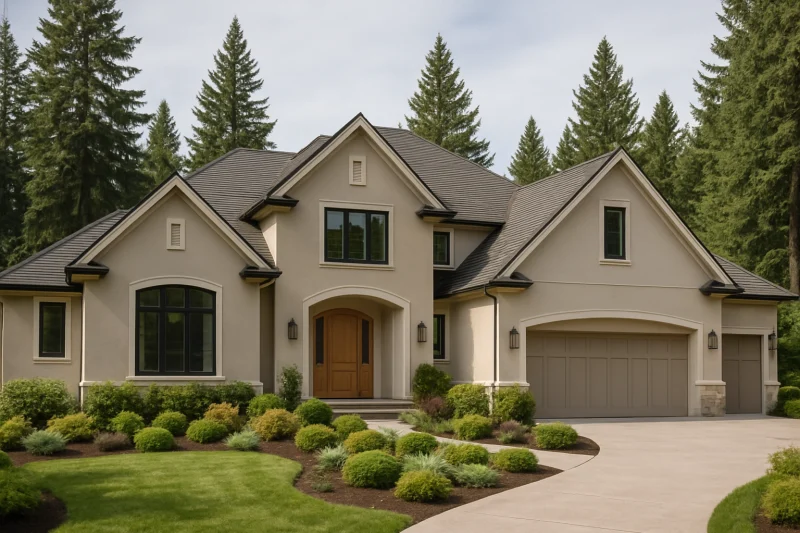
Buying a higher-priced home in the Greater Seattle-Tacoma area is a big financial decision, but figuring out the right mortgage type can add another layer of complexity. **A conventional loan is a mortgage that falls within local conforming loan limits, while a jumbo mortgage covers amounts above those limits, each with distinct qualification criteria.** In this guide, you’ll learn the key differences between conventional and jumbo loans, how loan limits impact your options, and what to consider when financing a high-value property in Federal Way and beyond.
Key Takeaways
- Purpose: Conventional loans finance homes up to county loan limits, while jumbo loans are for amounts above those limits.
- Eligibility: Conventional loans have standardized requirements; jumbo loans require higher credit, income, and documentation standards.
- Loan Limits: Conforming loan limits vary by county and property size, impacting which loan type you’ll need.
- Best For: Conventional loans work for many homes; jumbo loans are suited to financing higher-value properties where the price exceeds local limits.
Quick Answers
- What is a conventional loan?
A conventional loan is a mortgage that follows guidelines set by Fannie Mae and Freddie Mac, staying within local loan limits. - What is a jumbo loan?
A jumbo loan is a mortgage for amounts above the maximum conforming loan limit, with stricter qualification criteria. - How do I know if I need a jumbo loan?
If your loan amount exceeds current conforming loan limits for your county and property type, you’ll need a jumbo mortgage. - Are jumbo loans harder to qualify for?
Yes, jumbo loans typically require higher credit scores, stronger income, and more documentation than conventional loans. - Can veterans use VA loans for high-value homes?
VA loans may be possible for larger amounts with additional requirements, but jumbo and conventional loans are the most common choices for high-value purchases.
Understanding Conventional and Jumbo Mortgages
At CLC Mortgage (NMLS# 181106), we help clients in Federal Way and the neighboring areas navigate the differences between conventional and jumbo loans every day. Knowing the basics of each will give you a solid starting point for your home financing journey.
What Is a Conventional Loan?
A conventional mortgage is any home loan that isn’t insured by a government agency and stays within conforming loan limits set by the Federal Housing Finance Agency (FHFA). In the Seattle-Tacoma region, these limits adjust each year and vary by county and property type. Most primary, second, and investment homes below the local limit will use a conventional loan.
Key characteristics:
- Standardized guidelines set by Fannie Mae and Freddie Mac
- Available for primary, secondary, and investment properties
- Usually offers competitive rates if you meet guideline requirements
- May require private mortgage insurance (PMI) if your down payment is below a set threshold
Learn more about available loan options for different scenarios.
What Is a Jumbo Loan?
A jumbo loan is a mortgage that exceeds the conforming loan limits for your area, requiring special approval from lenders since it falls outside the standard government-backed guidelines. Jumbo loans are common in high-cost areas like Bellevue, Seattle, and many surrounding neighborhoods.
Key characteristics:
- Larger loan amounts (above conforming limits)
- Stricter qualification: higher credit scores, stronger income, and more thorough documentation
- Down payment requirements may be higher than for conventional loans
- May have slightly higher market rates
- No private mortgage insurance (PMI), but lender risk criteria increase
Comparing Conventional and Jumbo Loans Side-by-Side
| Feature | Conventional Loan | Jumbo Loan |
|---|---|---|
| Loan Amount | Up to local conforming limit | Above local conforming limit |
| Typical Minimum Down Payment | As low as 3% for qualified borrowers | Often higher, varies by lender |
| Credit Requirements | Standard; typically lower minimums | More stringent; higher scores needed |
| Income Documentation | Standard W2s, paystubs, or tax returns | Detailed review, sometimes more paperwork |
| Private Mortgage Insurance | Required if down payment below certain amount | Not required, but higher borrower standards |
| Loan Processing Timeline | Typically streamlined | May take longer due to extra review |
What Are Conforming Loan Limits?
Conforming loan limits are set by the FHFA and determine whether your mortgage is considered conventional or jumbo. These limits depend on your county and the number of units in the property. In high-cost parts of King County, Pierce County, and Snohomish County, the loan limit is often higher than in other areas of Washington.
If your purchase price or refinance amount is above this limit, you’ll need a jumbo loan. To check the latest thresholds for your area, see our conforming loan limits overview.
Example Scenarios
- If you’re buying a home in Bellevue with a purchase price above the local limit, a jumbo loan may be required.
- Renovating a property in Auburn or Federal Way? If your total loan need stays under the conforming limit, a conventional loan could be an efficient choice.
Eligibility and Documentation: What Sets Jumbo Loans Apart?
Jumbo loans operate with higher standards because they aren’t eligible for purchase by Fannie Mae or Freddie Mac and carry more lender risk. Lenders typically look for:
- Higher credit scores, often above conventional minimums
- Lower debt-to-income ratios (your total monthly debts as a percentage of your income)
- Stronger income and asset documentation (such as several years of tax returns, bank statements, evidence of reserves)
- Larger down payments, frequently above minimums for conventional loans
If you’re self-employed or have significant non-traditional income, a bank statement program may offer flexibility for documentation on larger loans.
Down Payment and Cash Reserve Differences
Conventional and jumbo loans each have distinct down payment and reserve requirements. Conventional financing may allow for as little as 3% down with qualifying factors, while jumbo loans often require a higher down payment (varies by lender and scenario).
Jumbo lenders also routinely ask for evidence of extra funds set aside post-closing (reserves), ensuring you can cover several months of mortgage payments. This helps mitigate the additional risk lenders take on with larger loan amounts.
Rates and Fees: What Can You Expect?
Because jumbo loans are less standardized and do not have government guarantees, their rates may be somewhat higher than those of conventional loans. Fees—including appraisal and closing costs—can also be higher, reflecting both the loan size and the added risk for the lender. However, market competition can result in competitive rate options, so it’s always best to compare offers and review your scenario with a local mortgage professional.
When Should You Choose a Conventional vs. Jumbo Mortgage?
Choosing between conventional and jumbo financing often comes down to your purchase price, loan needs, and personal qualifications. You might prefer a conventional loan for its streamlined process and potentially lower costs if your home fits within the local conforming limit. A jumbo mortgage is necessary if you’re buying in neighborhoods with higher property values—like Redmond, Kirkland, or Issaquah—where higher-priced homes regularly exceed standard limits.
Veterans using a VA loan may also find options for larger loan amounts, but these come with their own unique requirements and eligibility checks.
How to Get Started: Next Steps
The best way to know which loan is right for your situation is to review your scenario with an experienced mortgage team that understands the local market. We encourage you to reach out—call, text, or email—to compare jumbo and conventional options, review documentation needs, and plan your pre-approval so you’re ready to move quickly when the right property comes up.
Frequently Asked Questions
Do jumbo loans have prepayment penalties?
Most jumbo loans today do not have prepayment penalties, but it's important to review your specific loan agreement. Always confirm the details with your lender before closing.
Can I refinance a jumbo loan into a conventional loan?
Yes, if your remaining balance falls below the local conforming limit, you may be able to refinance to a conventional mortgage. This can sometimes offer lower rates or reduced documentation, depending on market conditions and your scenario.
What properties are eligible for jumbo loans?
Jumbo loans are available for primary residences, second homes, and investment properties, subject to lender-specific guidelines and documentation requirements. However, eligibility can vary based on property type and occupancy.
Is mortgage insurance required for jumbo loans?
No, private mortgage insurance is not typically required on jumbo loans. However, lenders may offset risk by requiring larger down payments or more reserves.
How long does approval take for jumbo loans?
Jumbo loans often require more in-depth review and documentation, which can extend approval times by several days or more compared to conventional loans. Being prepared with all necessary paperwork can help keep the process moving smoothly.
This is educational and not financial advice. Loan programs and guidelines can change. Talk with a licensed mortgage professional about your specific scenario.

About the Author
Corey Condrin
Branch Manager at CLC Mortgage · NMLS #1030110
Corey Condrin is a seasoned and trusted Mortgage Loan Originator with Barrett Financial Group, LLC. With well over a decade of experience in home financing, Corey is committed to guiding clients through every step of the mortgage process with clarity, expertise, and genuine care.
Specializes in: Conventional, FHA, VA
Licensed in: AK, AZ, CA, GA, OR, SC, TX, WA
Related Posts