
Self-employed borrowers often have strong cash flow, but tax returns may not fully reflect the…
Conventional Mortgages: How W-2 Borrowers Qualify
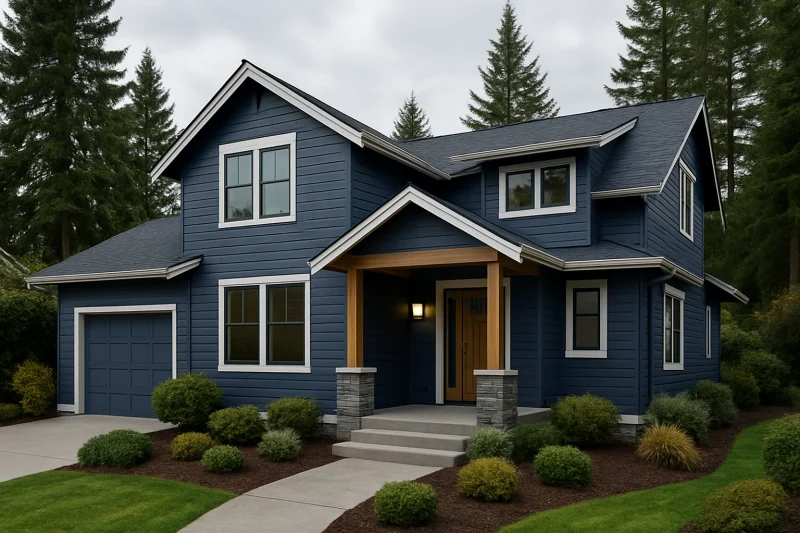
Applying for a conventional mortgage can feel complicated when you are unsure how a lender will evaluate your paycheck, employment history, and monthly obligations. W-2 borrowers typically qualify for conventional mortgages by documenting stable employment income, acceptable credit, available funds, existing debts, and an eligible property. In this guide, we at CLC Mortgage (NMLS# 181106) explain how conventional underwriting works, which documents to prepare, and how we help borrowers plan for the mortgage process.
Key Takeaways
- Income: Lenders generally review current pay, employment stability, and the likelihood that qualifying income will continue.
- Documentation: W-2s, recent pay stubs, bank statements, identification, and employment verification are commonly required.
- Down Payment: Some conventional programs permit as little as 3% down for eligible borrowers, although requirements vary.
- Timeline: Pre-approval can begin once core documents are available, while a purchase closing commonly takes several weeks.
- Best For: Conventional financing may suit borrowers with documented employment income who want flexible property and mortgage insurance options.
Quick Answers About Conventional Mortgage Qualification
- Is a W-2 enough to qualify? No. A W-2 supports income documentation, but lenders also evaluate credit, debts, assets, employment, and the property.
- Can a recent job change affect qualification? It can. A job change is not automatically disqualifying, but the lender may need an offer letter, pay stub, or additional employment verification.
- How much down payment is required? Eligible borrowers may qualify for certain conventional programs with 3% down. The actual requirement depends on occupancy, property type, loan size, credit, and program rules.
- Can overtime, bonuses, or commission income count? Potentially. Variable income generally requires a documented history and analysis showing that it is stable and likely to continue.
What Is a Conventional Mortgage?
A conventional mortgage is a home loan that is not insured or guaranteed by a federal government agency. Many conventional loans follow standards established by Fannie Mae or Freddie Mac, while some loans use lender-specific guidelines.
Conventional mortgages may be used for primary residences, second homes, and investment properties, subject to the applicable program rules. Borrowers may also choose between different term structures, including a fixed-rate mortgage that keeps the principal-and-interest rate unchanged over the loan term.
Loan amounts within current county-based thresholds are generally considered conforming. Because the Greater Seattle-Tacoma region includes high-cost housing markets, it is important to review the current conforming loan limits for the county where the property is located.
How We Evaluate W-2 Income for a Conventional Loan
A salary or hourly paycheck may appear straightforward, but underwriting involves more than multiplying an hourly rate by a work schedule. We first identify which income is fixed, which income varies, and what documentation is required under current guidelines.
Base Salary
Base salary is generally the simplest form of W-2 income to document. Lenders commonly compare current pay stubs, W-2 forms, and an employment verification to confirm the borrower’s pay rate and current employment status.
A salaried borrower may not need to have worked for the same employer for multiple years. However, gaps in employment, recent career changes, or a transition from school or training may require a written explanation and additional records.
Hourly Income
Hourly income can be stable, variable, or a combination of both. If hours fluctuate, underwriting may calculate an average based on the documented history rather than relying only on the latest pay period.
We review pay stubs early to identify changes in hours, unpaid leave, seasonal patterns, or year-to-date earnings that differ from prior years. Addressing these details before an offer can reduce avoidable questions during underwriting.
Overtime, Bonuses, and Commission
Overtime, bonus, and commission income may be usable when there is enough history to establish a reasonable average and support continuance. The amount counted for mortgage qualification may be different from the amount shown on a borrower’s most recent paycheck.
Underwriters commonly compare year-to-date earnings with prior W-2s and employment verification. Declining or inconsistent variable income may be calculated conservatively or excluded, depending on the circumstances and current program rules.
Second-Job Income
Income from a second job may count, but it generally requires an established history of managing both positions. A lender will consider how long the borrower has held the additional job, whether the hours are sustainable, and whether the income is expected to continue.
Five Areas That Affect Conventional Mortgage Approval
1. Employment and Income Stability
We organize the borrower’s employment timeline and identify the income sources that may be eligible for qualification. Stable income does not always mean staying in one position indefinitely; promotions, employer changes, and career progression can often be documented.
Before underwriting, we may request clarification about employment gaps, changes in compensation, temporary leave, or a new position. The goal is to present a complete and accurate file rather than leave the underwriter to infer what happened.
2. Credit Profile
Conventional underwriting evaluates more than a credit score. Payment history, account balances, recent credit activity, housing history, and significant derogatory events may all affect eligibility and loan terms.
We review the credit report for issues that may need attention before an application moves forward. Borrowers should generally avoid opening new accounts, financing major purchases, or increasing credit card balances during the mortgage process without first discussing the potential impact with their lender.
3. Debt-to-Income Ratio
Debt-to-income ratio compares qualifying monthly debt obligations with gross qualifying monthly income. Common obligations include housing expenses, auto loans, student loans, credit card minimums, installment debt, and certain support obligations.
There is no single ratio that determines every conventional decision. Automated underwriting findings, credit strength, available reserves, property type, and other risk factors can influence what is acceptable. Guidelines also change, so current requirements should be verified for each scenario.
4. Down Payment, Closing Costs, and Reserves
Some eligible conventional borrowers may purchase a primary residence with 3% down, while other situations require more. Second homes, investment properties, multifamily properties, and larger loan amounts commonly have different standards.
In addition to the down payment, borrowers should plan for closing costs, prepaid property taxes, homeowners insurance, and possible reserves. Funds generally need to come from an acceptable and documented source, such as checking, savings, investments, or an eligible gift.
5. Property Eligibility
Mortgage approval includes both the borrower and the property. An appraisal usually helps establish the property’s market value and identifies certain condition or marketability concerns.
Condominiums may require a separate project review. Properties with multiple units, accessory features, significant deferred maintenance, or unusual characteristics may also need additional analysis. Property requirements vary by loan program and occupancy.
Documents W-2 Borrowers Should Prepare
Providing complete documents early helps us identify questions before they affect a financing contingency or closing schedule. A typical document checklist includes:
- Recent pay stubs covering the requested period
- W-2 forms from the applicable prior years
- Recent bank and asset statements with all pages
- Government-issued identification
- Employment history and current employer contact information
- Documentation for bonuses, commission, overtime, or second-job income
- Statements for current mortgages or other real estate obligations
- Explanations and supporting records for large account deposits when requested
Additional documentation may be required based on the borrower’s income structure, credit profile, assets, property, and automated underwriting findings. As of 2026, lender overlays and agency guidance can differ, so a checklist should be tailored to the actual application.
Conventional, FHA, and VA Loan Differences
Conventional financing is not the only option for borrowers with W-2 income. We compare available programs based on eligibility, total monthly payment, cash needed, mortgage insurance structure, property requirements, and long-term goals.
| Loan Type | Key Structure | Potential Considerations |
|---|---|---|
| Conventional | Not government-insured; some eligible programs allow 3% down. | Pricing and mortgage insurance are influenced by credit, down payment, and other factors. |
| FHA | Government-insured financing with a 3.5% minimum down payment for eligible borrowers. | Includes mortgage insurance and FHA-specific property requirements. Review the current FHA home loan program for details. |
| VA | Government-guaranteed financing for eligible service members, veterans, and qualifying surviving spouses; 0% down may be available. | Eligibility, entitlement, occupancy, funding fee rules, and property standards apply. |
No program is automatically the right choice for every borrower. Rates, fees, mortgage insurance, qualification standards, and program availability change, so current options should be compared using the same purchase price and planning assumptions.
How We Help W-2 Borrowers Prepare
Our process starts by looking beyond the gross income printed on a pay stub. We review how the income is earned, compare current earnings with prior documentation, calculate qualifying obligations, and identify funds available for the transaction.
We can then help borrowers:
- Build a realistic purchase-price and monthly-payment range
- Compare conventional, FHA, and VA structures when eligible
- Identify documentation needs before submitting an offer
- Evaluate the possible impact of a job change or variable compensation
- Plan for down payment, closing costs, and reserves
- Understand conditions that may arise during underwriting
For borrowers purchasing in Federal Way or elsewhere in the Greater Seattle-Tacoma area, local property values and county loan limits can affect program selection. We also serve borrowers across Washington and are licensed in WA, OR, CA, AZ, TX, AK, GA, and SC.
Start With a Document-Based Pre-Approval Plan
A useful pre-approval is based on reviewed income, assets, credit, debts, and transaction assumptions—not just a quick estimate. Final approval still depends on underwriting, acceptable property documentation, and satisfaction of all loan conditions.
We invite you to call, text, or email us to review your scenario, compare mortgage options, and understand the next steps. Whether you are buying in Federal Way, Seattle, Tacoma, Bellevue, Kent, or another community we serve, we can help you build a clear pre-approval plan based on current guidelines.
Corey Condrin
Branch Manager
NMLS #1030110
Frequently Asked Questions
How do student loans affect conventional mortgage qualification?
Student loans are generally included in the debt-to-income calculation, even when a payment is deferred or temporarily reported as zero. The payment used depends on the credit report, loan documentation, repayment status, and current conventional guidelines.
Can gift funds be used for a conventional mortgage?
Gift funds may be permitted for eligible transactions when they come from an acceptable donor and are properly documented. Occupancy, property type, and program rules can affect how much personal contribution is required, if any.
Does buying a condominium change the conventional loan process?
It can because the lender may need to review the condominium project in addition to the borrower and individual unit. Insurance, ownership concentration, litigation, project finances, and other factors may affect eligibility under current guidelines.
What happens if the loan amount exceeds the county conforming limit?
A loan above the applicable conforming limit may need to be structured as jumbo financing or adjusted with a larger down payment. Jumbo programs commonly have separate credit, reserve, income, and property requirements that vary by lender.
Can remote employment income be used to buy a home in another area?
Remote employment income may be acceptable when the employer confirms the arrangement and the income is expected to continue. The lender may request written verification if the new property location is not within a reasonable commuting distance of the employer’s office.
This is educational and not financial advice. Loan programs and guidelines can change. Talk with a licensed mortgage professional about your specific scenario.

About the Author
Corey Condrin
Branch Manager at CLC Mortgage · NMLS #1030110
Corey Condrin is a seasoned and trusted Mortgage Loan Originator with Barrett Financial Group, LLC. With well over a decade of experience in home financing, Corey is committed to guiding clients through every step of the mortgage process with clarity, expertise, and genuine care.
Specializes in: Conventional, FHA, VA
Licensed in: AK, AZ, CA, GA, OR, SC, TX, WA
Related Posts


