
Self-employed borrowers often have strong cash flow, but tax returns may not fully reflect the…
Jumbo Loans: How High-Income Buyers Can Qualify for Larger Home Financing
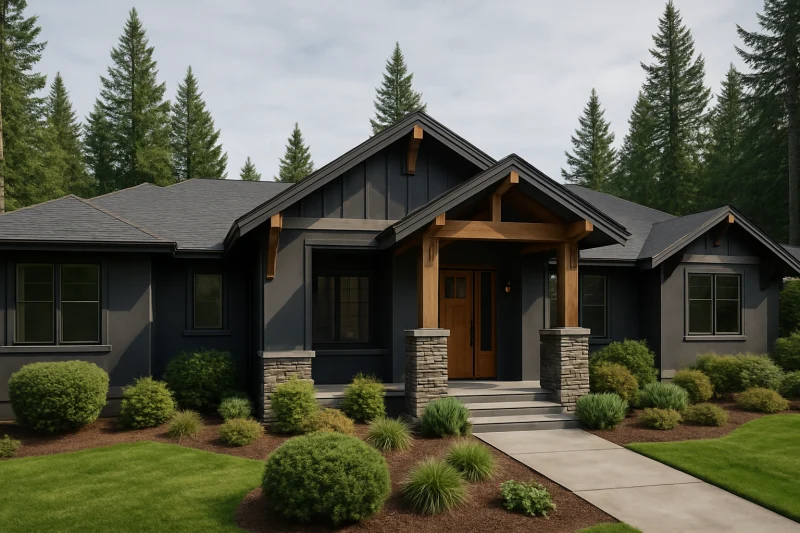
Buying a high-value home in the Seattle-Tacoma area is exciting, but qualifying for a jumbo loan can raise unique questions and challenges. A jumbo loan is a mortgage that exceeds conforming loan limits, allowing you to finance a higher-priced property, but typically comes with stricter qualification criteria than standard loans. In this article, we’ll break down what jumbo loans are, how to qualify, key documentation requirements, and offer clear tips for high-income borrowers across Federal Way, Bellevue, and the greater region.
Key Takeaways
- Purpose: Jumbo loans are designed for buyers seeking to finance homes above local conforming loan limits.
- Qualification: Lenders look for higher credit scores, strong income, significant reserves, and detailed documentation.
- Documentation: Expect to provide tax returns, bank statements, and verification of assets and income.
- Timeline: The process typically takes about 30-45 days but can vary by scenario and property type.
- Best For: Borrowers purchasing high-priced homes who do not qualify for conventional loan limits, often in high-cost areas.
Quick Answers: Jumbo Loan Basics
- What is a jumbo loan? It’s a mortgage that exceeds the conforming size limits set by Fannie Mae and Freddie Mac for your county.
- Why do jumbo loans have stricter requirements? Because they are not backed by government-sponsored entities, lenders assume more risk and need more proof of your ability to repay.
- Can self-employed or non-traditional income borrowers qualify? Yes, but documentation will be more detailed and may require business financials or bank statements.
- How much do I need for a down payment? Many lenders expect a larger down payment than conventional loans (often 10–20% or more), but requirements can vary.
What Makes a Jumbo Loan Different?
A jumbo loan is any loan amount that goes above the maximum loan limits established by Fannie Mae and Freddie Mac—these limits vary by county, so check the conforming loan limits page for local details. Unlike conventional loans, jumbo loans cannot be sold to these government agencies, meaning lenders hold more risk, set their own guidelines, and often require additional verification.
For homebuyers in Federal Way, Seattle, Bellevue, and surrounding cities, where property values can easily surpass conventional loan caps, jumbo loans make it possible to purchase a wider range of homes. However, qualifying comes with distinct requirements.
Who Typically Needs a Jumbo Loan?
If you need to borrow more than the conforming loan limit for your county, you’ll need a jumbo loan option. This is common for buyers targeting luxury homes or high-demand neighborhoods throughout the Greater Seattle-Tacoma-Bellevue region.
Candidates often include:
- High-income W2 employees purchasing above the standard loan limits
- Self-employed or business owners with substantial, verifiable earnings
- Veterans using a VA entitlement but exceeding local VA loan limits
The team at CLC Mortgage (NMLS# 181106) guides borrowers through these scenarios, making sure all documentation and requirements are handled clearly and professionally.
Key Jumbo Loan Requirements
Every lender may set slightly different guidelines. Common jumbo loan qualifying criteria typically include:
- Higher Credit Scores: Lenders commonly require strong credit—often 700 or higher—but some flexibility exists based on other strengths in your scenario.
- Solid Income Documentation: Expect to show detailed income history—W2s or tax returns for employees, and potentially multiple years of tax returns, P&L statements, and bank statements for self-employed borrowers.
- Lower Debt-to-Income (DTI) Ratios: Jumbo lenders may set stricter limits on how much of your monthly income can go toward debt payments.
- Significant Cash Reserves: Many lenders require 6–12 months of mortgage payments in liquid assets after closing, but the exact requirement varies.
- Larger Down Payment: Down payment requirements for jumbo loans often start at 10–20%, sometimes more—though higher down can improve your terms.
- Full Asset Verification: Accounts used for down payment, closing costs, and reserves must be clearly documented, with any large deposits sourced.
Documentation Checklist: Be Ready to Show More
Because jumbo loans are not government-backed, lenders ask for more details to verify your financial strength. Here’s what to expect:
- Recent pay stubs (if applicable)
- W-2 forms and/or full tax returns (often last two years)
- Business tax returns, profit & loss statements, and bank statements for self-employed or non-traditional income borrowers
- All pages of bank and investment account statements
- Documentation of any bonus, commission, or RSU/stock compensation
- Signed purchase contract and relevant property details
- Letters of explanation for any unusual financial activity, if requested
If you have complex income or need a flexible documentation route, some lenders offer options like the Bank Statement Program for qualifying with business or non-traditional income—ask us for details if this fits your scenario.
Rates and Terms: What Borrowers Should Expect
Jumbo loan interest rates typically run a bit higher than standard conforming loan rates because these mortgages represent greater risk to the lender. Rates and available products (fixed or adjustable) will vary, so it’s wise to compare options.
Both fixed-rate mortgages and adjustable-rate mortgage (ARM) options are available for jumbo loans—choosing the right product depends on your financial plans and how long you expect to keep the home.
Step-by-Step: How to Qualify for a Jumbo Loan
1. Check local jumbo thresholds. Use our conforming loan limits tool to see if your desired property requires a jumbo loan.
2. Review your credit and reserves. Lenders look for high credit scores and liquid assets, so address any credit issues and organize your bank and investment statements.
3. Gather income documentation. Prepare W2s, pay stubs, and/or tax returns. Self-employed? Have your business financials ready, too.
4. Determine down payment plan. Review how much you have for a down payment and what your lender will require for your loan amount and property type.
5. Connect with an experienced jumbo lender. Choose a local team familiar with the Federal Way, Seattle, Bellevue, and Tacoma real estate markets for smooth navigation.
6. Get pre-approved before shopping. This gives you a clear understanding of your purchasing power and positions you stronger in competitive offer situations.
Jumbo Loan Eligibility Table: Key Differences vs. Conforming Loans
| Feature | Conforming Loan | Jumbo Loan |
|---|---|---|
| Loan Amount Limit | Up to county conforming limits | Above local conforming limits |
| Minimum Credit Score | Mid-600s or above (varies) | Generally higher (often 700+) |
| Down Payment | 3%–5% minimum for primary residence | Often 10–20%+ (varies by program) |
| Debt-to-Income (DTI) Limits | Up to 45% (varies by scenario) | Often capped lower, check current guidelines |
| Reserve Requirements | Minimal; varies by program | 6–12 months or more, varies widely |
Tips for High-Income and Self-Employed Buyers
- Organize comprehensive documentation early. A strong, detailed loan file speeds up the process and increases approval chances.
- Be ready to explain business income or any unusual sources of funds. Detailed explanations and supporting paperwork help underwriters feel confident.
- Keep large deposits documented. Transfers and large deposits need supporting evidence (such as sale of another home, investment, or business income).
- If your tax strategy lowers reported income, discuss documentation alternatives. Programs like our Bank Statement Program may offer more flexibility for self-employed borrowers.
- Compare products and rates from a lender with specific jumbo expertise. Not all lenders offer the same jumbo options or pricing structure.
Common Scenarios: How Jumbo Loans Help in Greater Seattle and Tacoma
- Federal Way: Large homes in established neighborhoods may push past conforming loan caps, even outside of the urban core.
- Bellevue/Redmond: Tech industry concentration drives property values higher, making jumbo loans a necessity for many buyers.
- Tacoma/Olympia: Fast-growing markets mean competitive offer situations for higher-value homes—being fully pre-approved for a jumbo loan makes your purchase offer stand out.
We work with buyers across King, Pierce, Snohomish, and surrounding counties—always careful to check local loan limits before recommending programs.
Next Steps: Is a Jumbo Loan Right for You?
If your purchase price exceeds your local conforming limit, or if you have unique income or asset scenarios, a jumbo loan could be the answer. These loans offer flexibility for high-value homes—but require careful planning and expert guidance.
Curious about your own jumbo loan eligibility or purchasing power? Let’s review your scenario together, compare available loan options, and clarify next steps—whether you’re just getting started or ready to make an offer. Call, text, or email us to begin your pre-approval planning and gain confidence in your home search across Federal Way and beyond.
Frequently Asked Questions
Do jumbo loans always require a 20% down payment?
Not always—down payment requirements vary by lender, borrower profile, and loan amount. Many programs start around 10% down, but a larger down payment can improve your terms and approval odds.
What documents do self-employed jumbo borrowers need?
Self-employed jumbo buyers are typically asked for two years of personal and business tax returns, current profit and loss statements, bank statements, and documentation supporting all sources of income. Some programs allow alternative documentation like business bank statements; options depend on your lender and loan type.
Are jumbo loan rates much higher than conforming rates?
Jumbo rates are often a bit higher than conforming loan rates due to increased lender risk. However, the difference may be small depending on your loan amount, credit profile, and property type—compare offers to see your precise scenario.
Can I qualify for a jumbo loan if I have other properties financed?
Yes, as long as your debt-to-income ratio meets guideline requirements and you can document sufficient income and reserves. Lenders will review your entire financial picture, including existing mortgages, when assessing eligibility.
Are there jumbo loan programs for investment properties?
Yes, many jumbo loan programs allow for investment properties, though qualifying standards are typically more stringent and may require higher down payments. Consult with your lender about current options in your area.
This is educational and not financial advice. Loan programs and guidelines can change. Talk with a licensed mortgage professional about your specific scenario.

About the Author
Corey Condrin
Branch Manager at CLC Mortgage · NMLS #1030110
Corey Condrin is a seasoned and trusted Mortgage Loan Originator with Barrett Financial Group, LLC. With well over a decade of experience in home financing, Corey is committed to guiding clients through every step of the mortgage process with clarity, expertise, and genuine care.
Specializes in: Conventional, FHA, VA
Licensed in: AK, AZ, CA, GA, OR, SC, TX, WA
Related Posts


